
I built a QA Operations Platform to explore a simple but important question: how can recurring operational work become easier to execute, document and trust?
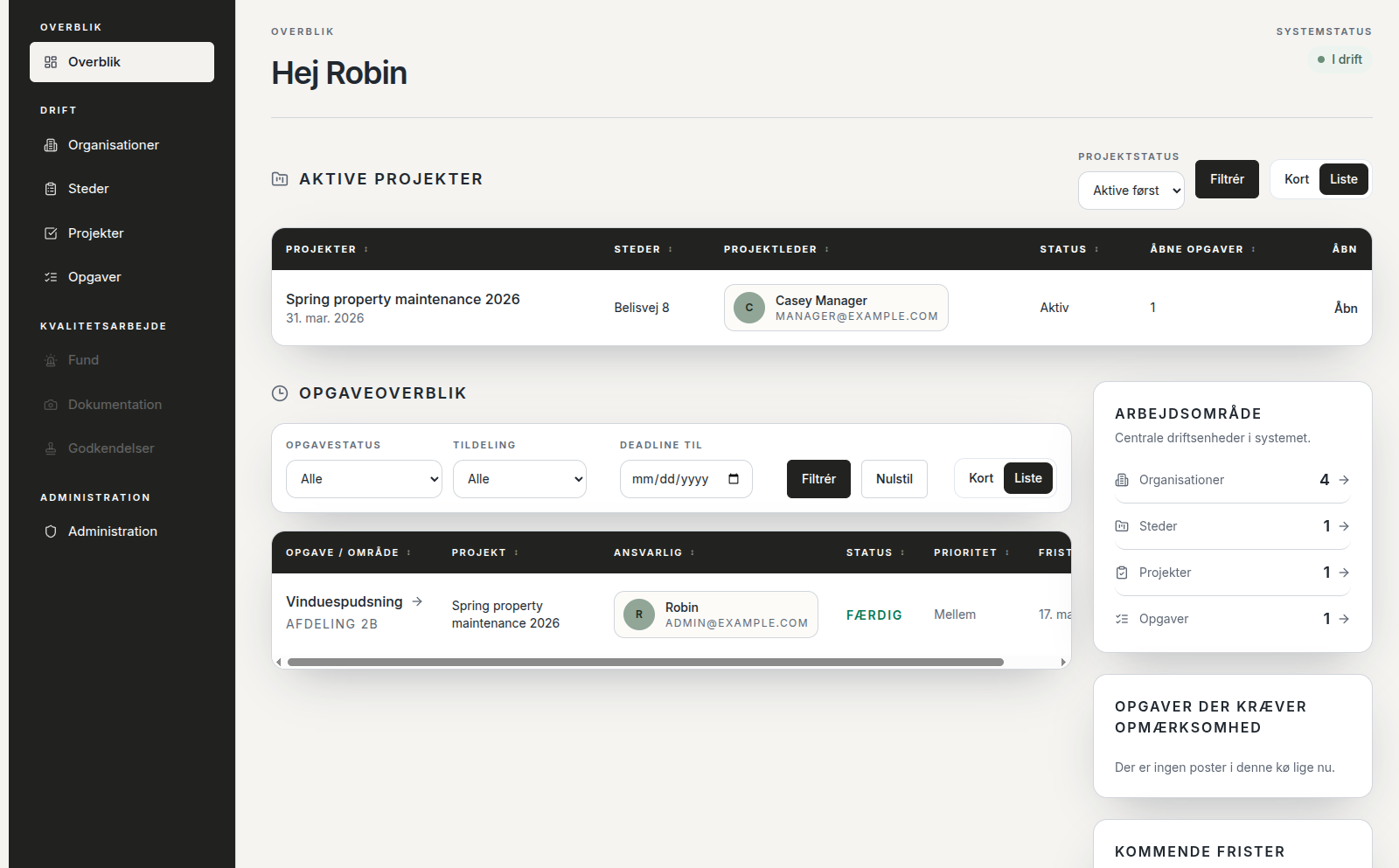
Quality assurance is often treated as something that happens after the work is done. A checklist is filled out. A note is added. A photo is stored somewhere. Someone follows up manually. It may work in the moment, but over time the process can become fragile.
The issue is rarely that people do not care. More often, the work lacks a clear structure. Instructions live in one place, documentation in another, and follow-up depends on memory, messages or individual habits.
The platform started as an experiment in making that kind of work more repeatable.
The idea was not to make QA heavier. It was to make the expected work clearer before it starts, easier to complete while it is happening, and simpler to review afterwards.
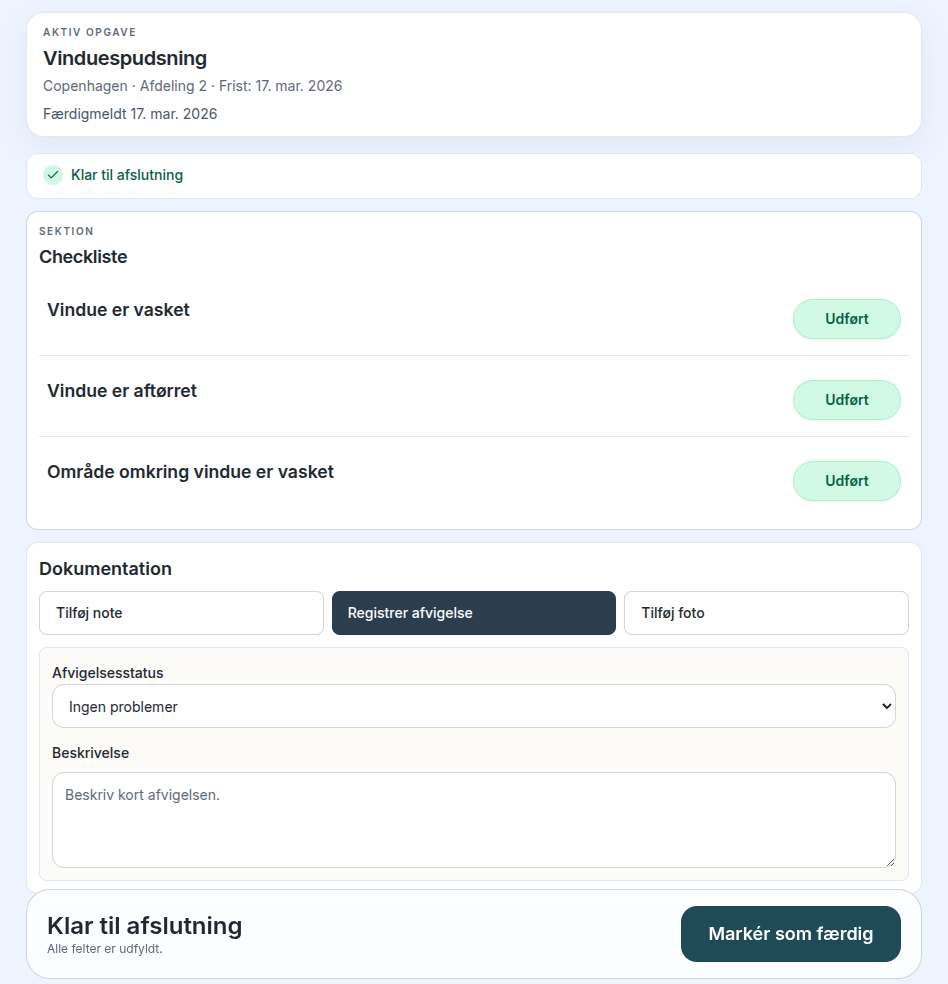
That distinction matters. Operational QA is not only about checking whether something was done. It is also about making sure the person doing the work has enough context, that the right documentation is captured, and that the next person in the process can understand what happened without having to reconstruct everything from scratch.
In that sense, the project is less about control and more about handoffs.
A good QA process should answer a few practical questions:
- What needs to be done?
- Where does it apply?
- Who is responsible?
- What evidence or documentation is needed?
- What should happen if something is missing or unclear?
When those questions are handled consistently, the work becomes easier to manage. Not because the system replaces responsibility, but because it supports it.
This is the part I find most interesting. The platform is not only a technical project. It is an operating model expressed through software.
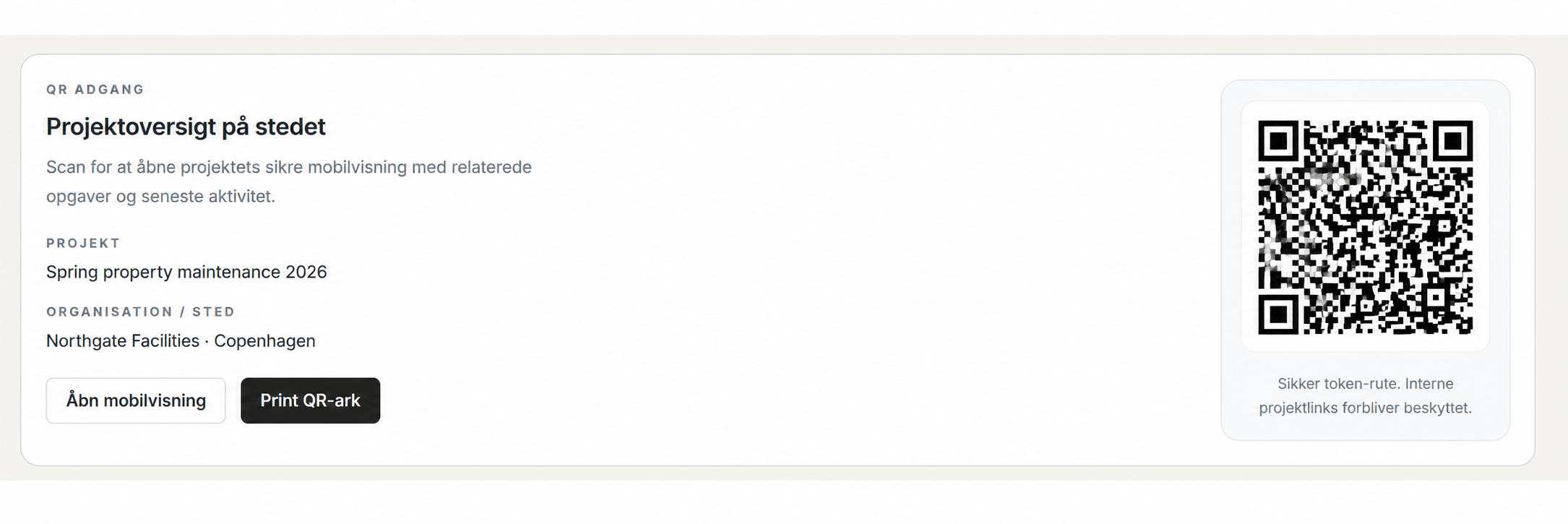
It reflects a pattern I keep returning to in many types of digital work: the value is often not in the individual feature, but in the structure around the work. Clear ownership. Better context. Less ambiguity. Documentation created as part of the process instead of after the fact.
That same thinking applies across marketing operations, data workflows, platform governance, automation and QA. Different domains, but the underlying challenge is familiar: complex work becomes easier to maintain when the process is understandable.
This project became a practical example of that principle.
It is built around the idea that quality work should not depend on people remembering the process perfectly every time. The system should help carry the process, so the people involved can focus on doing the work properly.
For me, that is where good operational systems become useful. They do not need to be loud or impressive. They need to reduce uncertainty, make handoffs clearer, and leave the work in a better state for the next person.